Fly Easy: CPAP Carry-On Tips for Boomers
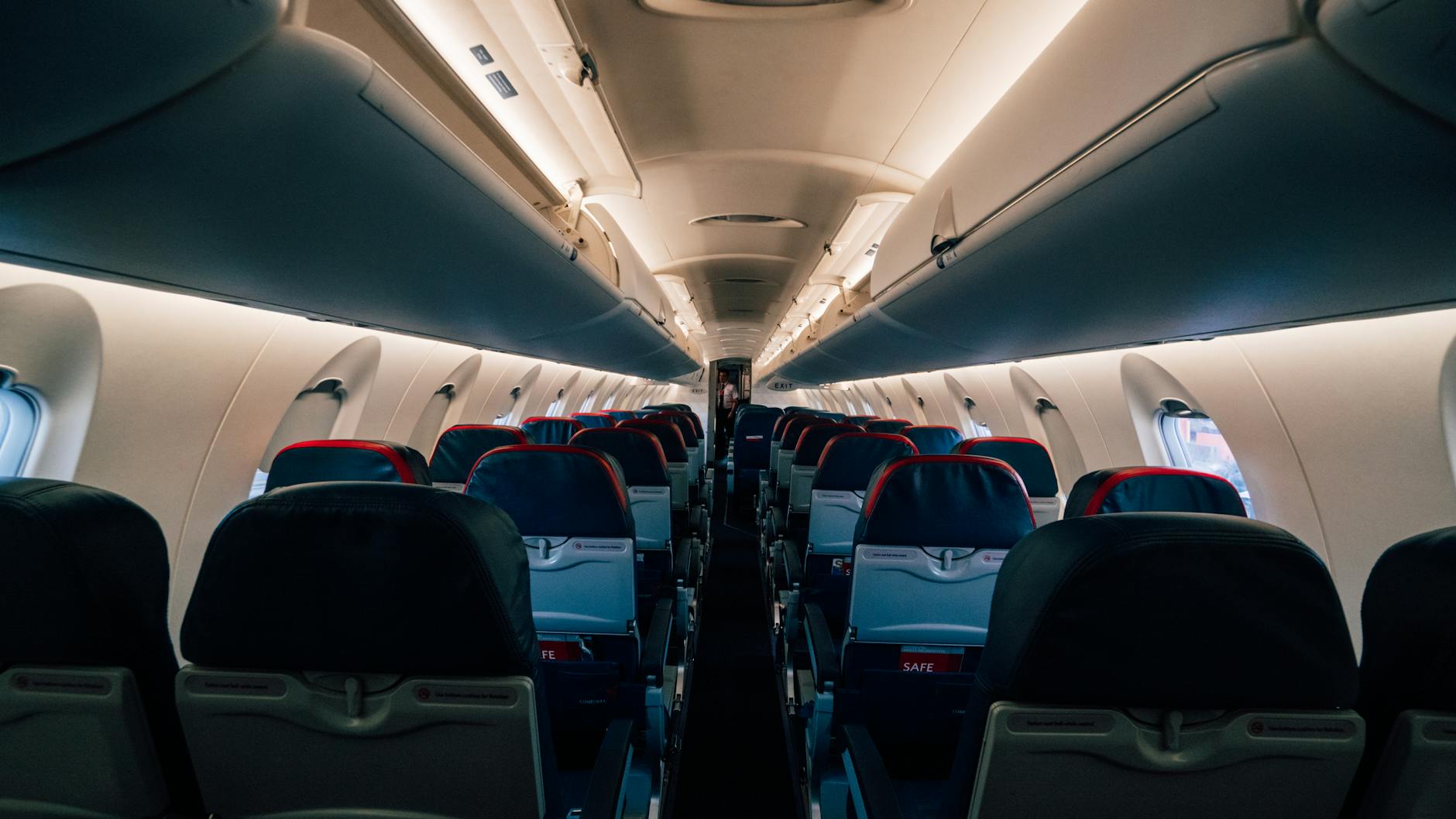
Traveling can be a delightful experience, opening doors to new destinations, cultures, and memories. However, for those who rely on Continuous Positive Airway Pressure (CPAP) therapy for conditions like sleep apnea, flying can introduce some additional complications. Baby Boomers, a generation that highly values travel, often find themselves facing the challenge of transporting medical equipment on flights. To ensure your journey is as smooth as possible, here are expert tips designed to help boomers carry their CPAP machines on airplanes with ease.
Pre-Flight Preparation
1. Research Airline Policies
Each airline has its own policy regarding the transportation of medical equipment. It is wise to check with your airline ahead of time to understand their specific requirements for carrying a CPAP machine. Many airlines will not count it as a carry-on item, but this isn't universal.
2. Obtain a Medical Equipment Tag
Your CPAP machine is a medical device, and it should be labeled as such. Many CPAP providers offer a medical equipment luggage tag. By using this, you're signifying to airport security and airline staff that your carry-on is necessary for your health.
3. Pack your CPAP Correctly
Your CPAP machine should be packed in a clean, secure bag. This will protect it from dust and spills. Keep all parts (including the mask, hose, and power cord) together, so they are easily accessible during security screenings.
4. Bring a Copy of Your Prescription
Having a copy of your CPAP prescription is useful if you need to explain why you're carrying the device. It can also help in case the machine needs to be replaced or serviced while you're away.
Navigating Airport Security
1. TSA Notifications
When you arrive at the checkpoint, promptly inform the Transportation Security Administration (TSA) officer that you have a CPAP machine. They're trained to handle medical devices and can assist you with the screening process.
2. CPAP Screening
Your CPAP machine will need to go through an X-ray scanner. Remove it from its case and place it in a bin separately, similar to how you would with a laptop. The rest of the device components can stay in the case.
In-Flight Tips
1. Ensure Accessibility
Keep your CPB device within reach during the flight. Overhead bins may not be the best place, as you might need them during the flight. Instead, store it under the seat in front of you if possible.
2. Battery Power
If you intend to use your CPAP machine in-flight, check if your flight has in-seat power supplies or consider bringing a battery pack. Confirm with the airline their policy regarding the use of CPAP machines during flights.
3. Avoid Dehydration
Cabin air can be particularly dry, and using a CPAP machine may exacerbate this. Stay hydrated by drinking water throughout your flight.
Post-Flight Care
After your flight, make sure to inspect your CPAP device for any damaged or dislodged parts. Also, give it a thorough cleaning to ensure it's free from any airborne germs or viruses that you might encounter during the flight.
Travel should never be a hassle, even with a CPAP machine. With the right preparation and tips, baby boomers can navigate flying with a CPAP device with confidence. Keep these guidelines in mind, and you'll enjoy a hassle-free and restful journey to your next exciting destination!